Your 12V Socket Is Smarter Than You Think: The Road Gear Worth Every Penny
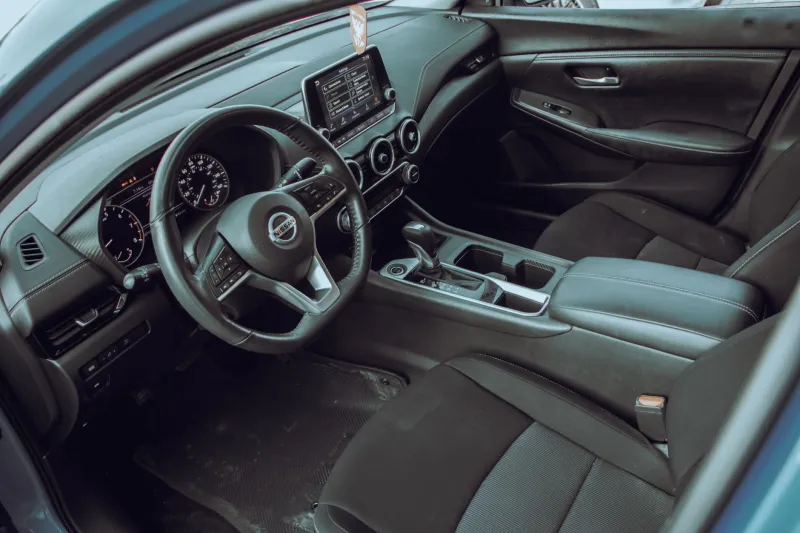
Most drivers glance at that circular port on their center console and think one of two things: it's either a relic from the days when everyone smoked in their cars, or it's just where they jam a phone charger and forget about it. But here's the thing—your vehicle's 12V power outlet might be the most underutilized piece of real estate in your entire ride.
The automotive accessory market has quietly exploded around this humble socket. Walk into any AutoZone or scroll through Amazon for five minutes and you'll find hundreds of gadgets promising to make your drive safer, smarter, and more comfortable. The problem? A lot of them are junk. So let's cut through the noise and talk about what's genuinely worth plugging in.
A Quick History Lesson (Bear With Us)
The 12V outlet has been a car staple since the 1950s, originally designed—you guessed it—to power a cigarette lighter. For decades, that was basically its only job. Then came the late '90s and early 2000s, when portable electronics started multiplying faster than anyone expected. Suddenly, drivers needed power on the go, and automakers realized they'd been sitting on a goldmine.
Today, most vehicles come with multiple 12V ports, and some newer models are even stepping up to USB-C and 120V household-style outlets. But that classic circular socket? It's still everywhere, and the ecosystem of accessories built around it is massive.
The Accessories That Actually Deliver
Multi-Port USB Car Chargers
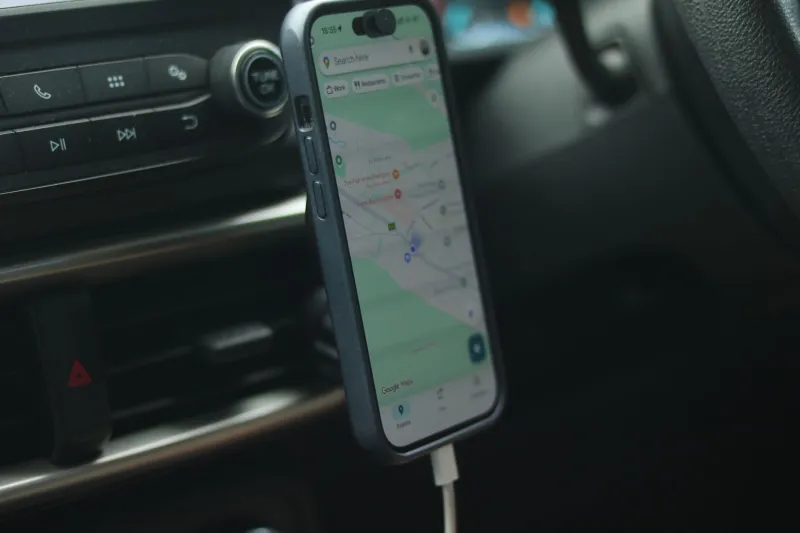
Let's start with the obvious one, because obvious doesn't mean overrated. A quality multi-port USB charger—specifically one with at least one USB-C Power Delivery port—is non-negotiable for modern drivers. The cheap two-port adapters you find at gas stations for $6.99 will technically charge your phone, but slowly and inconsistently.
Spend $25–$40 on a reputable brand like Anker or Belkin, and you're looking at fast charging for multiple devices simultaneously without the socket overheating. If you're frequently on road trips or running GPS apps that drain your battery, this upgrade pays for itself on the first long drive.
Portable Tire Inflators
This one doesn't get nearly enough attention, and it absolutely should. A compact 12V tire inflator—sometimes called a portable air compressor—is one of the most practical pieces of emergency gear you can stash in your trunk. Brands like Viair and AstroAI make units that are small enough to fit in a backpack pocket but powerful enough to inflate a standard passenger tire from flat to road-ready in under ten minutes.
Consider the math: a roadside tire service call can run $75 to $150 or more depending on your location and time of day. A solid 12V inflator costs $40–$80. It's not a gimmick—it's a genuine safety net, especially if you drive in areas where cell service is spotty or you regularly log miles on rural roads.
Dash Cams with Hardwire or 12V Power
Dash cams have gone from novelty to near-necessity in the American driving landscape. Insurance claims, parking lot hit-and-runs, road rage incidents—having footage can be the difference between a resolved claim and a costly dispute. Many dash cams run directly off your 12V socket, making installation dead simple.
The sweet spot for value sits in the $60–$120 range. Look for 1080p or 1440p resolution, a wide-angle lens, and loop recording. Brands like Vantrue and Garmin consistently get strong marks from US reviewers. This is one category where spending a little more upfront genuinely matters—budget cameras tend to produce grainy footage that won't hold up when you actually need it.
Portable Jump Starters
Okay, technically these don't plug into your 12V socket—they often charge via one. But they belong in this conversation because they represent the evolution of roadside preparedness that the socket ecosystem has enabled. A lithium-ion jump starter small enough to fit in your glove box can crank a dead V6 engine and still have enough juice left to charge your phone. NOCO and Antigravity make units that have become cult favorites among enthusiasts.
Charge it through your 12V port every few months and you've got genuine peace of mind in a package smaller than a hardcover book.
The Stuff You Can Skip
Not everything marketed for your 12V socket is worth the plastic it's made from. Here's a quick rundown of categories that tend to disappoint:
Car air purifiers and ionizers: The science behind most of these is shaky at best. They consume power, produce minimal real-world air quality improvement in a small cabin, and often generate ozone as a byproduct. Save your socket.
Heated food warmers and mini coolers: These draw significant power, heat or cool unevenly, and most aren't rated to run continuously without straining your electrical system. A quality insulated bag does the job better for less money.
Novelty gadgets (neon lights, mini fans, etc.): There's nothing wrong with personalizing your ride, but these tend to be impulse buys that end up in the junk drawer. They rarely solve a real problem.
Maximizing Your Sockets Without Overloading Your System
One thing drivers often overlook is that your 12V circuit has a current limit—typically 10 to 20 amps depending on your vehicle. Running multiple high-draw accessories simultaneously can trip a fuse or, in worst cases, cause electrical issues.
A good rule of thumb: use a quality multi-port charger for low-draw devices like phones and GPS units, and run high-draw accessories like tire inflators one at a time. Check your owner's manual for your outlet's rated amperage if you're planning to stack accessories.
Also worth noting—if you're running accessories while the engine is off for extended periods, you risk draining your battery. Keep an eye on usage time, or invest in one of those lithium jump starters we mentioned earlier. Full circle.
The Bottom Line
Your car's 12V socket has quietly become one of the most versatile tools in your vehicle. The right accessories—a fast charger, a portable inflator, a reliable dash cam—can meaningfully improve your safety margin and your overall driving experience. The wrong ones just take up space and draw power you could be using on something useful.
At WindBlaze Lighter, we're all about gear that earns its spot in your vehicle. The lighter socket's legacy might have started with a flame, but its future is in powering the tools that keep you moving, prepared, and in control on every road you take. Choose wisely, invest in quality, and make that little port work as hard as you do.