Treat It Like a Tool: The Serious Driver's Guide to Making a Quality Lighter Last
You wouldn't skip an oil change and expect your engine to thank you. You wouldn't run bald tires and call yourself a serious driver. So why are you stuffing a quality lighter into your center console and forgetting about it until it sputters out on a cold Tuesday morning in February?
A well-built lighter—whether it's a precision butane torch, a classic flint-and-wheel refillable, or a windproof arc igniter—is a piece of engineered equipment. It has tolerances. It has maintenance requirements. And if you treat it like one of those gas station freebies you grab on the way out, it's going to perform like one.
This is your field manual for keeping your flame alive longer than your car payment.
Why Maintenance Even Matters for Lighters
Here's the thing nobody talks about: most lighter failures aren't manufacturing defects. They're neglect. Gunk in the fuel valve. A clogged jet. A flint wheel worn down to nothing because someone kept spinning it dry. A butane reservoir that's been refilled with off-brand fuel so many times it's started to gum up the internals.
Premium lighters are built to last years—sometimes decades—but only if you give them a fighting chance. The good news is that lighter maintenance is genuinely simple. It just requires you to actually do it.
Cleaning Techniques That Actually Work
Start with the basics. Compressed air is your best friend. A short burst directed at the burner head or jet nozzle will clear out debris, pocket lint, and the kind of microscopic gunk that accumulates when a lighter lives in a glovebox or a jacket pocket. Do this every few weeks if you carry your lighter daily.
For butane torch lighters specifically, the jet can clog from impurities in lower-quality fuel. A wooden toothpick—never metal—can gently clear a partially blocked nozzle without damaging the orifice. If you're dealing with a more stubborn blockage, a small amount of isopropyl alcohol on a cotton swab works well for cleaning around the burner assembly, just make sure everything is completely dry and the lighter is fully bled before you attempt a relight.
For traditional flint-wheel lighters, periodically remove the insert and wipe down the inside of the case. Cotton and debris collect in there faster than you'd think. A dry brush—an old toothbrush works perfectly—handles the flint wheel and chimney without introducing moisture.
Fuel Storage: The Part Everyone Gets Wrong
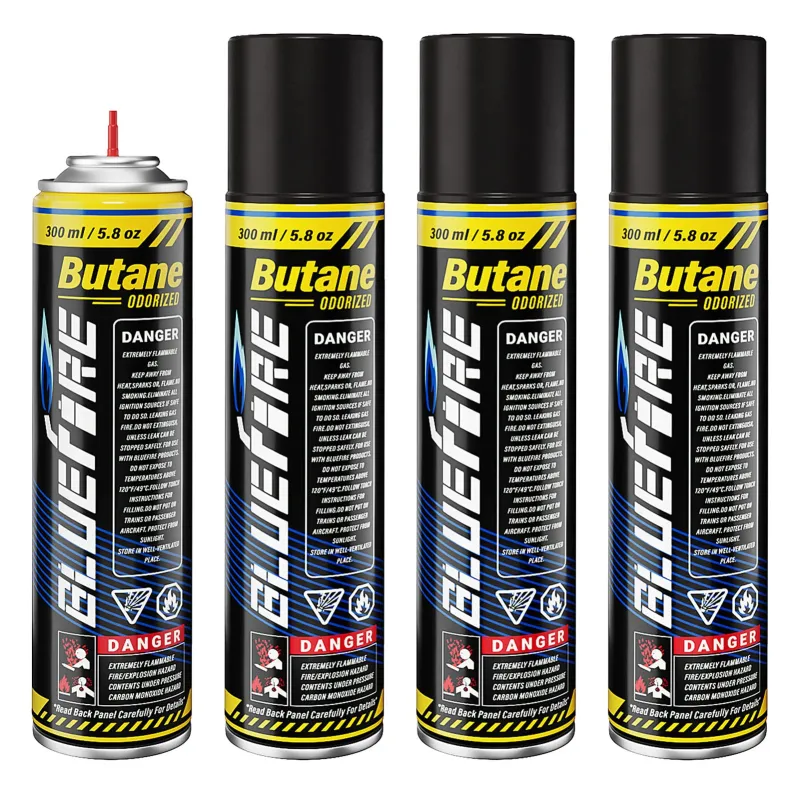
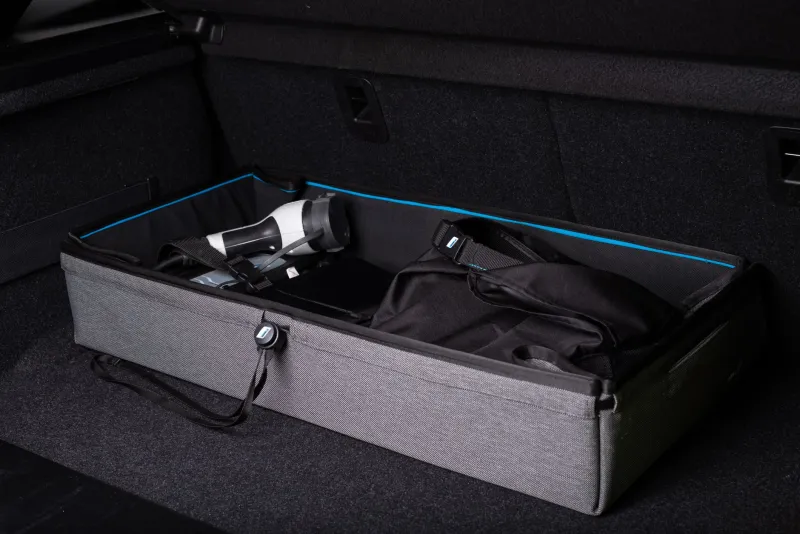
If you keep backup butane canisters in your vehicle, pay attention here. Temperature swings are brutal on butane. Leaving canisters in a hot car during summer can cause pressure buildup, and repeated thermal cycling degrades the fuel quality over time. Store your backup butane inside—in a garage cabinet, a toolbox, or a dedicated gear bag that doesn't live in the trunk year-round.
When it comes to the fuel itself, don't cheap out. Premium refined butane—look for triple-refined or higher—burns cleaner and leaves less residue in your lighter's internals. The few extra dollars per canister will extend your lighter's service life considerably. Think of it the same way you think about premium versus regular at the pump: your equipment runs better on the good stuff.
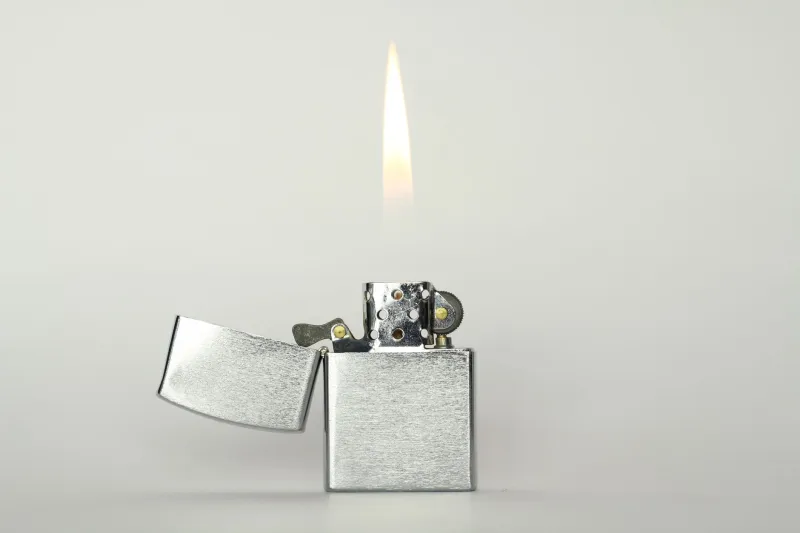
For liquid fuel lighters like Zippos, keep your lighter fluid in a sealed container away from heat sources. Old or evaporated fluid can leave deposits in the cotton wadding, affecting both performance and flavor if you're someone who lights cigars or pipes on the road.
Wick Replacement: Don't Wait Until It's Too Late
Liquid fuel lighters rely on a wick to draw fuel to the flame, and that wick has a lifespan. When your flame starts burning low, turns yellow, or produces more soot than usual, the wick is telling you it's time. Replacing it is a five-minute job that most drivers put off for months.
For Zippo-style lighters, replacement wicks are cheap and widely available. Pull the insert, remove the cotton packing, feed the new wick through, repack the cotton around it, and refuel. That's it. While you're in there, check the flint—if it's worn down to a stub, swap it out too. Keeping a small spares kit in your gear bag (a few flints, a spare wick, a backup fuel canister) is the kind of low-effort preparedness that serious drivers swear by.
Seasonal Care: Your Lighter Feels the Weather Too
Winter is the enemy of reliable ignition. Cold temperatures cause butane pressure to drop, which means a lighter that performed flawlessly in August might struggle to produce a consistent flame in January. If you're in a cold-weather state—Minnesota, Montana, upstate New York—keep your lighter in an inside pocket rather than an exterior jacket pocket or glovebox when temperatures drop. Body heat makes a genuine difference.
For arc lighters and USB-rechargeable models, cold weather affects battery performance just like it does in your phone or your car's 12V accessories. Keep the battery topped off more frequently during winter months rather than running it down to empty before charging.
Summer brings the opposite challenge: heat and UV exposure. Lighters with rubber O-rings or seals—common in high-end windproof models—can degrade faster when stored in direct sun. A simple gear pouch or case keeps your lighter protected without adding any real bulk to your kit.
The Mindset Shift That Changes Everything
At the end of the day, lighter maintenance comes down to treating your gear with the same respect you give your vehicle. You detail your car. You keep your tools organized. You don't let good equipment go to waste through inattention.
A quality lighter is a small thing, but it's part of how you set up your drive—part of the ritual, the kit, the identity of someone who actually gives a damn about what they carry. The drivers who maintain their gear are the ones who never get caught without a reliable flame when it matters.
That's not obsessive. That's just being a gearhead who does it right.