Old School Cool vs. New School Tools: The Real Story Behind Classic and Modern Car Lighters
There's something undeniably satisfying about the sound of a classic car lighter clicking back out of its socket. That soft metallic pop, the faint smell of heated coil, the warm orange glow — it's a sensory experience that's been quietly disappearing from American roads since the early 2000s. And for a certain kind of driver, that disappearance feels like a genuine loss.
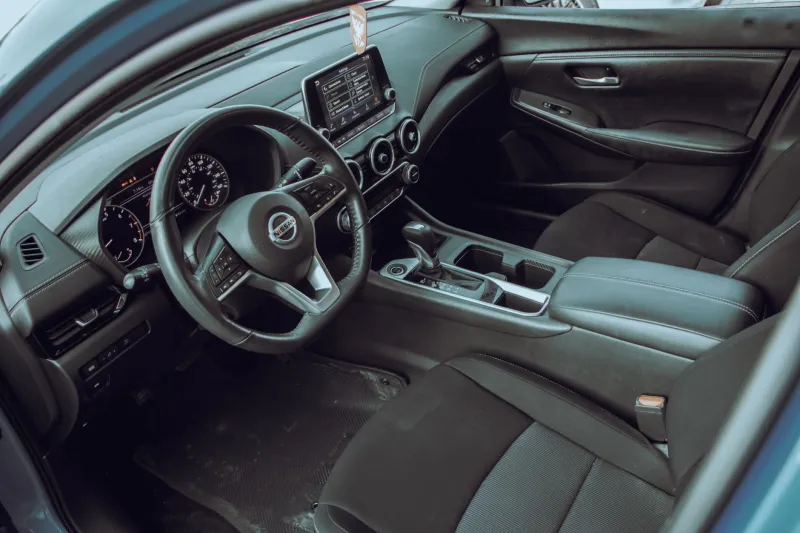
But spend five minutes with a modern plasma arc lighter or a precision-machined USB-C car charger, and you start to understand why the industry moved on. The question isn't really which era was better. It's which solution fits where you are right now — and whether there's still a place for the classics alongside the cutting edge.
Let's get into it.
A Quick History of the Car Lighter (Because It's More Interesting Than You'd Think)
The automotive cigarette lighter has been around in one form or another since the 1920s, but it was the 1950s and 60s that really cemented it as a standard fixture in American cars. By the time the muscle car era was in full swing, the 12V coil lighter was as expected as an AM radio and bench seats.
The design was elegantly simple: a resistive heating coil mounted in a removable plug, powered by the car's 12-volt electrical system. Push it in, wait about 15 seconds, and it pops back out when it's hot enough to use. No moving parts beyond the push mechanism. No electronics to fail. Just physics doing its thing.
For decades, it worked beautifully. And then the world changed.
As smoking rates declined and portable electronics proliferated, the 12V socket's identity shifted. It stopped being primarily a lighter and started being a power source. Manufacturers began shipping cars with USB ports and calling the 12V socket an "accessory outlet." The coil insert started disappearing from new vehicles entirely.
Today, finding a new car with a factory-installed lighter coil is genuinely difficult. But the socket lives on — and so does the debate about what belongs in it.
The Case for Vintage: Durability, Simplicity, and Pure Aesthetic
Here's the honest argument for classic coil lighters: they are extraordinarily hard to break.
A well-made vintage lighter — the kind that came stock in a late-60s Chevrolet or a 70s Ford pickup — operates on a mechanism so mechanically straightforward that there's almost nothing to go wrong. No circuit boards. No firmware. No lithium battery that degrades over time. You're dealing with a coil of resistive wire and a spring-loaded socket. That's essentially it.
Collectors and classic car restorers know this well. Original lighters from vehicles stored for 30 or 40 years often still function perfectly after a simple cleaning. Try saying that about any piece of modern consumer electronics.
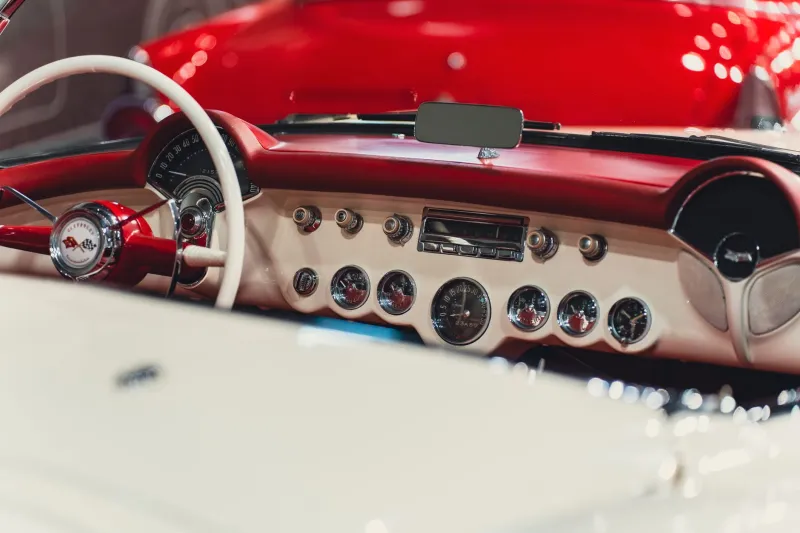
There's also the aesthetic dimension, and it's not trivial. If you're restoring a 1967 Mustang or maintaining a period-correct 1972 Chevy C10, dropping a contemporary USB charger into the factory lighter socket is a jarring anachronism. The original unit — or a faithful reproduction — belongs there. It's part of the car's story.
For drivers who care deeply about authenticity, the vintage lighter isn't a nostalgic indulgence. It's the correct choice.
Where vintage wins:
- Mechanical simplicity and longevity
- Period-correct aesthetics for classic vehicles
- No battery degradation or software dependencies
- Tactile, sensory experience that modern units can't replicate
The Case for Modern: Performance, Versatility, and Honest Functionality
Now let's be equally honest about where the old design falls short.
A traditional coil lighter takes 10-15 seconds to heat up. It draws significant current while doing so. It produces an open heat source that, in a world increasingly populated by non-smokers, serves a fairly narrow use case. And it occupies the one 12V socket in many older vehicles — a socket that modern life increasingly demands for charging phones, running dashcams, powering GPS units, and keeping portable coolers running.
Modern lighters and 12V accessories have evolved to address all of these limitations simultaneously.
Plasma arc lighters, for instance, use a high-frequency electrical arc to ignite rather than a heated coil. They're windproof, they fire in under two seconds, they recharge via USB, and they don't produce a traditional flame at all — which makes them safer in many contexts. For road-trippers who need a reliable ignition source for camp stoves, emergency flares, or outdoor use, this is a meaningful upgrade.
On the charging side, today's 12V adapters can deliver 65W or more of USB-C Power Delivery output — enough to fast-charge a laptop. They often include multiple ports, smart chip technology that detects device requirements and adjusts output accordingly, and temperature management systems that prevent the overheating issues that plagued earlier generations of cheap adapters.
There are also hybrid designs that preserve the classic coil lighter insert while adding USB ports alongside it — a genuine best-of-both-worlds solution for drivers who want functional versatility without abandoning the traditional experience entirely.
Where modern wins:
- Speed and efficiency of ignition
- Multi-function capability (charging, powering accessories)
- Rechargeable designs with no consumables
- Smart features and safety protections
- Broader everyday utility for non-smoking drivers
Head-to-Head: The Real-World Comparison
| Factor | Vintage Coil Lighter | Modern Electric/Smart Lighter |
|---|---|---|
| Ignition Speed | 10-15 seconds | Under 2 seconds |
| Durability | Extremely high (mechanical) | High (varies by brand) |
| Aesthetic Appeal | Classic, period-correct | Contemporary, tech-forward |
| Versatility | Limited | High |
| Maintenance | Minimal cleaning | Battery management |
| Compatibility | Older vehicles, collectors | All modern vehicles |
| Cool Factor | Timeless | Cutting-edge |
Neither column is a clean winner. It genuinely depends on what you're driving and what you need from the experience.
So Which Should You Choose?
If you're driving a classic vehicle and maintaining authenticity matters to you, the vintage coil lighter isn't just acceptable — it's right. A quality reproduction unit or a well-preserved original belongs in that socket the same way the correct steering wheel and factory gauges do. Don't let anyone talk you out of it.
If you're in a modern daily driver and you need your 12V socket to work as hard as the rest of your car, go modern. Find a well-built adapter with the right combination of charging ports, safety features, and design quality. It'll serve you better than anything that came before it.
And if you find yourself somewhere in the middle — maybe you drive a late-90s or early-2000s vehicle that sits at the exact intersection of classic character and modern need — consider one of those hybrid units. They exist precisely for drivers like you.
At WindBlaze Lighter, we think both eras deserve respect. The coil lighter is a piece of American automotive history. The plasma arc charger is where that history is going. The road connects them both — and the right lighter for your drive is the one that belongs in your story.