Pit Lane Preferences: Why Motorsports Culture Has Always Had Strong Opinions About Fire
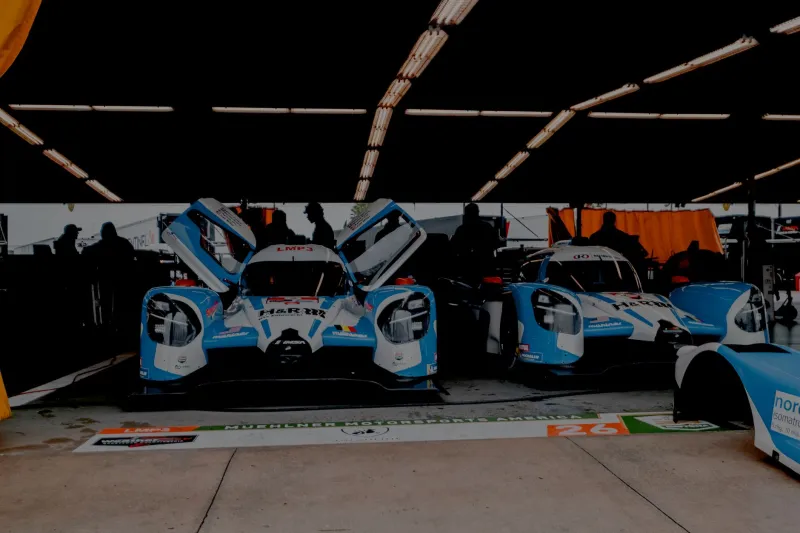
Ask a NASCAR tire changer what brand of socket wrench he uses and he'll give you a ten-minute answer. Ask a Formula-style endurance crew chief about his fuel strategy and you'd better have a chair. These are people who have strong opinions about everything that touches their operation—because in racing, details don't just matter, they're the whole game.
So it probably shouldn't be surprising that the same world has developed unusually specific preferences about something as seemingly minor as a lighter.
And yet, it still catches a lot of people off guard.
The Performance Mindset Doesn't Clock Out
There's a psychology to motorsports culture that outsiders sometimes miss. The people who live in it—professional crew members, amateur track day regulars, vintage racing restorers—don't compartmentalize the way most of us do. The precision and reliability standards they apply to a car's mechanical setup don't vanish the moment they step away from the vehicle. They carry those standards into every piece of gear they touch.
A lighter that fails to ignite on the first strike isn't a minor annoyance in that world. It's a data point. It means the equipment didn't perform. And equipment that doesn't perform consistently gets replaced.
This is why you'll find a disproportionate number of premium windproof and torch-style lighters in the hands of people who work around racetracks. It's not about status. It's about reliability engineering applied to a small, everyday object.
Wind, Heat, and the Track Environment
Spend any time at a racing event and you'll notice that the physical environment is genuinely hostile to standard lighters. Pit lanes are windy. Garages are loud and chaotic. Pre-race mornings at open-wheel events can be cold and damp. The conditions that make a soft-flame lighter frustrating for a regular driver make it essentially useless for someone who needs a reliable light while standing next to a running race engine.
This practical reality has pushed racing communities toward windproof torch lighters and plasma arc models almost organically. Nobody issued a memo. People just started noticing what worked and what didn't, and word spread the same way it always does in tight-knit mechanical communities—through direct experience and peer observation.
The preference for butane torch lighters in particular makes a lot of sense in context. A focused, high-temperature flame that resists wind and can be directed precisely is a genuinely useful tool in an environment where you might be lighting a cigar to celebrate a podium finish while standing in a crosswind at Road Atlanta.
Pre-Race Rituals and the Objects That Define Them
Racing has always been a ritual-heavy culture. Drivers have pre-race routines. Crew chiefs have superstitions. The objects associated with those rituals carry weight that goes beyond their function.
For a significant number of people in motorsports circles, a quality lighter is part of that ritual infrastructure. The post-qualifying smoke. The celebratory cigar after a class win at an endurance race. The quiet moment before a driver straps in, when the crew steps back and the pre-race calm settles over the paddock.
In those moments, the lighter isn't incidental. It's part of the ceremony. And people who care deeply about ceremony tend to care about the quality of the objects that mark it.
This is where you start seeing genuine collector-level lighters appear in racing contexts—custom engravings, team colors, pieces that have been carried through multiple seasons and carry the weight of memory along with their fuel charge.
Amateur Track Culture Carries the Same DNA
It's not just the professional tier. The SCCA weekend warrior. The autocross regular. The guy who trailers his built Miata to High Plains Raceway every summer. These communities have absorbed the same performance mindset, even if their budgets and stakes are different.
Talk to enough track day regulars and you'll find the same patterns: a preference for lighters that work every time without fuss, a mild disdain for disposable options, and a genuine appreciation for well-made tools regardless of their scale. A quality lighter fits naturally into a gear bag alongside a quality helmet, quality driving gloves, and a well-maintained fire extinguisher.
The common thread is intentionality. People who choose their equipment carefully in one domain tend to extend that habit across their entire kit.
What This Actually Tells Us About Gear Culture
The motorsports world's relationship with premium lighters is really just a concentrated version of something that shows up across all serious driver communities: the understanding that the way you equip yourself reflects how seriously you take what you do.
You can tell a lot about a person's approach to their craft by the quality of the tools they consider worth maintaining. A lighter that's been refilled, cleaned, and carried for three seasons of track days isn't just a lighter. It's evidence of a mindset.
And in a culture built on the relentless pursuit of marginal gains, that mindset is everything.