Gas, Fire, and Nostalgia: How Vintage Pump Station Lighters Became the Hottest Collectible in Car Culture
There's something almost poetic about a lighter that once sat in a bowl next to a cash register at a Route 66 filling station, now resting inside a glass display case in a car enthusiast's garage in suburban Ohio. It's a small object with a huge story — one that connects American road culture, petroleum history, and the kind of tactile nostalgia that no streaming service can replicate.
Vintage gas station promotional lighters are back, and they're not just showing up at antique malls. They're turning heads at Barrett-Jackson memorabilia tables, drawing serious bids on eBay, and finding permanent homes in collections right alongside die-cast models and vintage oil cans. So what's driving the comeback?
A Brief History of the Fill-Up Freebie
From roughly the 1940s through the early 1980s, branded lighters were one of the most popular giveaway items in the American petroleum industry. Companies like Texaco, Gulf, Standard Oil, Sinclair, and Flying A handed them out at stations as customer appreciation gifts — a small token to keep your name in a driver's pocket, literally.
These weren't throwaway trinkets, either. Many were manufactured by reputable lighter companies and featured crisp enamel logos, chrome finishes, and the kind of build quality that made them worth keeping. The Sinclair dinosaur. The Texaco star. The Gulf orange disc. These logos were icons of American highway life, and they ended up immortalized in metal and flint.
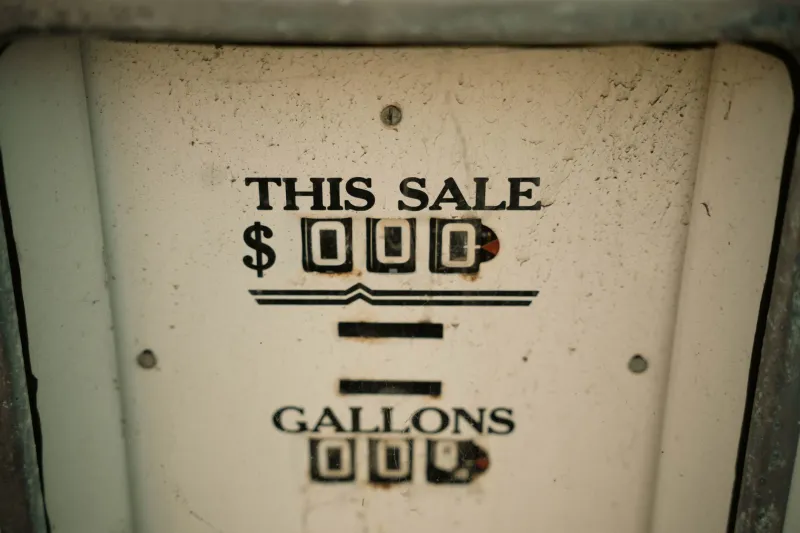
When self-service pumps took over in the late '70s and early '80s, the personal touch of station attendants — and their branded giveaways — largely disappeared. Those lighters didn't, though. They went into junk drawers, glove boxes, and eventually, into the hands of collectors.
Why Drivers Are Hunting Them Down Now
Talk to anyone who's recently gotten into vintage lighter collecting and you'll hear a version of the same story: it started with one piece that meant something personal.
Mike Trevino, a classic car restorer based outside of San Antonio, Texas, stumbled onto his first vintage Gulf lighter at an estate sale three years ago. "It was sitting in a box with some old maps and a Texaco credit card from 1971," he says. "I paid two bucks for it. Now I've got over forty of them and I've spent a lot more than two bucks."
For Trevino, the appeal isn't purely financial. "These things are physical proof that American car culture used to have a different rhythm," he explains. "You pulled into a full-service station, a guy wiped your windshield, checked your oil, and maybe handed you a lighter with a smile. That world is gone. But the lighter's still here."
That sentiment — the lighter as a tangible artifact of a lost road culture — seems to resonate broadly among enthusiasts. In an era of tap-to-pay and app-based rewards, there's a growing appetite for objects that feel genuinely human.
What Makes Certain Pieces More Valuable
Not all vintage gas station lighters are created equal, and experienced collectors are quick to point out the factors that separate a $15 shelf piece from a $200 grail find.
Brand recognition is the obvious first filter. Lighters bearing logos from defunct oil companies — think Sinclair, Cities Service, or the old Standard Oil brands — tend to command premiums because they represent companies that no longer exist. There's a finality to them that makes them feel more like historical artifacts.
Condition matters enormously. Original finish, working mechanisms, and legible logos all push value up. Lighters that show heavy wear or have been refinished typically sit at the lower end of the market unless the provenance is exceptional.
Regional scarcity is a sleeper factor that a lot of newer collectors overlook. Gas station chains that operated only in specific parts of the country — say, a regional Midwest brand or a Gulf Coast-only chain — produced smaller quantities of branded merchandise. A lighter from one of those smaller regional players can be harder to find than a Texaco piece, even if Texaco is the more recognizable name.
Manufacturing quality also plays a role. Lighters produced by well-known manufacturers of the era, even when commissioned for petroleum branding, tend to hold value better than generic promotional items.
Where Collectors Are Finding Them
The hunt itself is part of the appeal. Unlike buying a sealed product online, tracking down vintage gas station lighters involves a certain amount of detective work and luck.
Estate sales remain one of the best hunting grounds, particularly in rural areas and small towns where old service station memorabilia is more likely to have stayed put for decades. Flea markets in the Southeast and Midwest — regions with strong highway culture histories — are also reliable sources.
Online, eBay continues to be the dominant marketplace, though prices have climbed as awareness of the category has grown. Specialized automotive memorabilia auctions, including those that accompany major classic car events, have started featuring curated lighter lots more frequently.
Social media has also played a role in building the community. Facebook groups and Instagram accounts dedicated to vintage petroleum collectibles have made it easier for collectors to find each other, share finds, and negotiate trades without going through traditional auction channels.
The Crossover Appeal for Car Enthusiasts
What's particularly interesting about this collecting trend is how naturally it fits into existing automotive enthusiast culture. Collectors who already chase vintage oil cans, enamel pump signs, and period-correct service station ephemera have found lighters to be a natural extension of that world — one that's easier to store, more affordable to start, and just as rich in storytelling potential.
For the driver who loves a well-appointed garage, a display of vintage gas station lighters arranged by era or brand offers a visual timeline of American petroleum history. It's the kind of detail that turns a garage into a proper shrine to car culture.
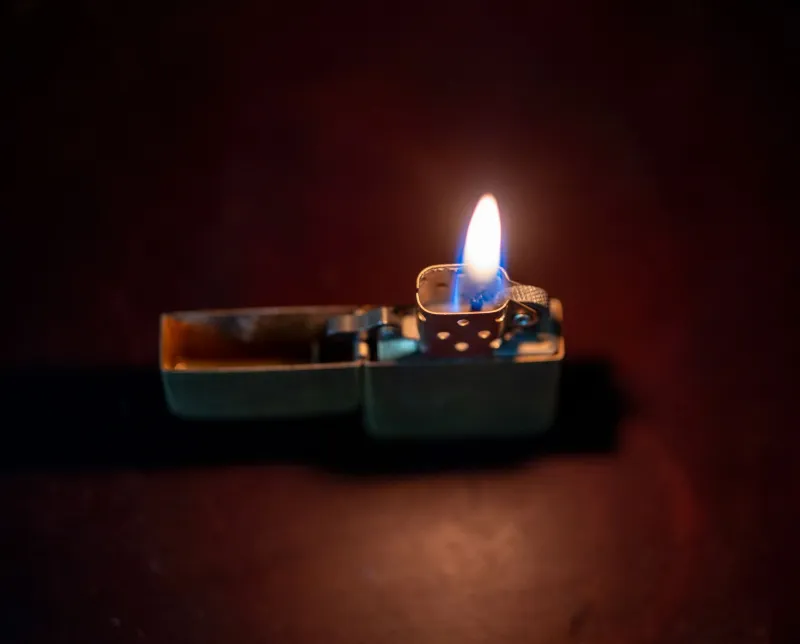
And there's something fitting about the object itself. A lighter, after all, is built around the act of ignition — the same fundamental act that starts every road trip, every engine, every adventure. These little promotional pieces carry that energy in a way that, say, a vintage keychain or bumper sticker simply doesn't.
Getting Started Without Getting Burned
If the idea of building a collection has you curious, a few practical tips from experienced collectors are worth keeping in mind. Start with a brand or era that genuinely interests you rather than chasing trends — collections built around personal passion tend to grow more thoughtfully. Set a condition standard early and stick to it, because it's easy to rationalize picking up a rough piece "just for display" and ending up with a shelf full of compromised examples.
And don't overlook the value of patience. Some of the best finds come from being present at the right estate sale or checking in on a seller who didn't know what they had. The hunt, as any serious collector will tell you, is half the reward.
Vintage gas station lighters are small, but they carry a lot of road. For a growing community of modern drivers, that's more than enough reason to keep the flame alive.