From Glove Box to Glass Case: How Gearheads Are Turning Lighters Into the Ultimate Collector's Trophy
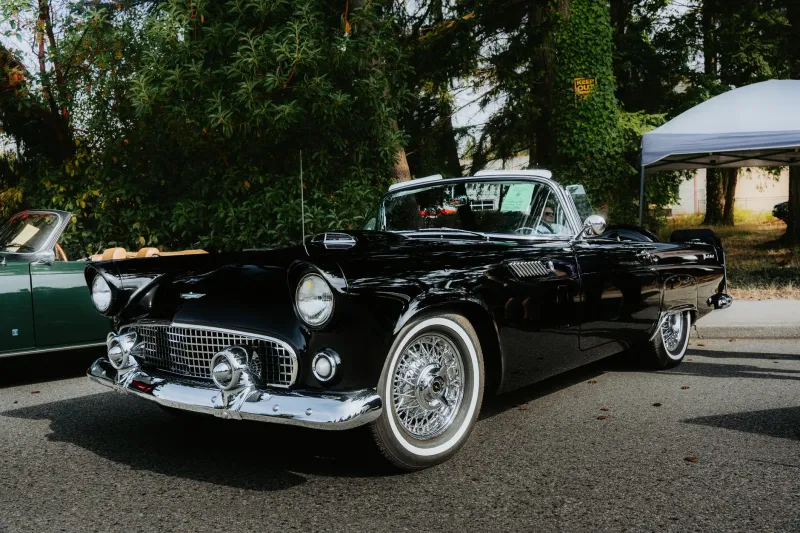
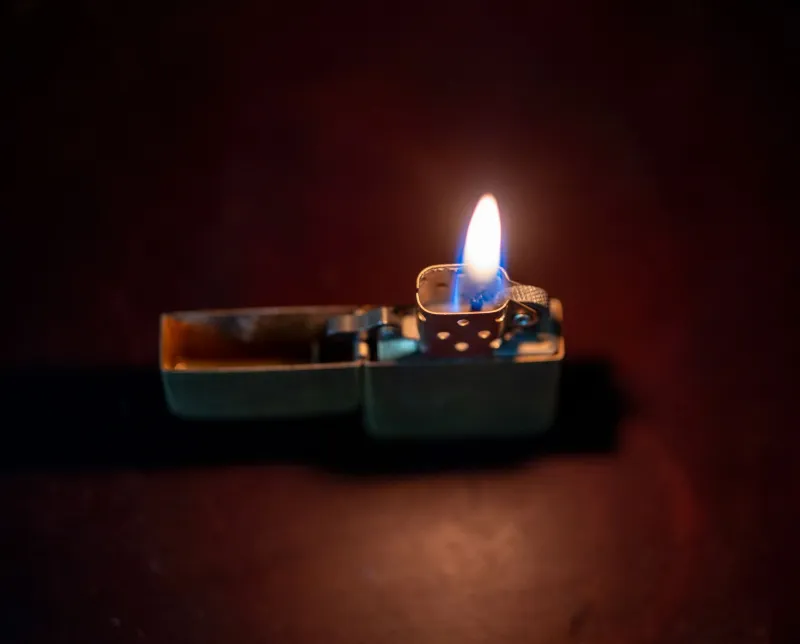
Walk through any serious car show in America — your Goodguys events, your SEMA overflow lots, your Sunday morning cruise-ins at the local diner — and you'll notice something a little unexpected tucked between the engine builds and the custom wheel setups. Folding tables draped in velvet. Small glass cases catching the morning light. And inside them, lighters. Not just any lighters, either. We're talking hand-engraved Zippos from the 1950s, petrol-fed Ronson Varaflames still in their original boxes, and one-off artisan pieces that look more like wearable sculpture than something you'd use to light a campfire.
Lighter collecting has arrived in car culture, and it's not just a passing thing.
The Unexpected Crossover
On the surface, it might seem like a stretch — what does a pocket lighter have to do with a 1969 Camaro or a slammed Datsun 510? But spend five minutes talking to the people in this scene and the connection starts making perfect sense.
"Car guys are already collectors at heart," says Marcus T., a classic truck restorer out of Nashville who started picking up vintage lighters at estate sales about six years ago. "We obsess over provenance. We want to know the history of a part, who made it, what year it came off the line. Lighters hit exactly the same nerve."
That obsession with origin story is a huge part of what's fueling the hobby. A Zippo produced during a specific wartime manufacturing run carries a serial number that can be decoded down to the quarter-year it was made. That kind of traceable history? It's catnip for the same crowd that spends weekends chasing down matching-numbers muscle cars.
What Collectors Are Actually Looking For
The lighter collecting world breaks down into a few distinct camps, and knowing the difference matters if you're thinking about jumping in.
Vintage production pieces are the entry point for most people. Think mid-century American and European lighters — Zippo, Ronson, Dunhill, Evans — ideally with original inserts, clean hinge lines, and minimal brassing on the case. Condition is everything here, and original boxes can double or triple a piece's value overnight.
Automotive-themed lighters are the sweet spot where this hobby overlaps hardest with car culture. Manufacturers used to produce lighters branded for dealerships, racing teams, and oil companies. Finding a lighter stamped with a defunct Gulf station logo or a long-gone regional dealership name is the kind of score that gets people genuinely excited at a swap meet.
Artisan and custom pieces represent the high end of the market. Small-batch makers — many of them operating out of workshops in places like Texas, Colorado, and the Pacific Northwest — are producing hand-machined lighters using aerospace-grade materials, damascus steel, and copper alloys. These aren't cheap, but they're not meant to be. They're conversation pieces built to last a lifetime.
Authentication: The Part Nobody Talks About Enough
Here's the uncomfortable truth about buying vintage lighters: the market has fakes. Not a ton of them, but enough that you need to go in with your eyes open, especially if you're spending real money.
For Zippos specifically, the date code stamped on the bottom of the insert is your first line of defense. The codes changed format multiple times over the decades, and there are detailed reference guides — many of them free online — that let you cross-check what you're holding against what was actually produced in a given year. If the case and insert codes don't align, ask questions.
"I always bring a loupe and a reference card to shows," says Dani R., a collector and vintage parts dealer from outside Chicago who focuses on mid-century American lighters. "It's not about being paranoid. It's just due diligence, same as you'd do buying a vintage part for a restoration."
For artisan pieces, authentication is less about fakes and more about understanding what you're actually paying for. Reputable makers will provide documentation, material specs, and often a direct line of communication. If someone's selling a "hand-machined" lighter at a car show with no maker's mark and no story behind it, that's worth noting.
The Investment Angle
Let's be honest — not everyone in this hobby is in it purely for the love of the object. Some people are watching the resale market pretty closely, and there's legitimate reason to.
Rare Zipposs from specific military contracts or limited promotional runs have sold at auction for several hundred to several thousand dollars depending on condition and provenance. Dunhill Rollagas pieces in original packaging consistently command strong prices among European and Asian collectors, which creates a healthy secondary market stateside. And the artisan lighter space? A maker who builds a reputation can see their early pieces appreciate significantly as demand outpaces production capacity.
The key, as with any collectible, is buying what you actually know and love rather than chasing trends. The people who've done best in this space are the ones who got deep on a specific category — wartime production, oil company promos, a particular artisan's work — and built genuine expertise over time.
Finding the Community
If you want to get into this, the best move is to start showing up. Car shows with swap meet components are fertile ground, especially regional events that draw older vendors. Estate sales in the Midwest and Southeast consistently surface interesting mid-century pieces. Online, there are active communities on Reddit and Facebook where collectors post finds, debate authenticity, and occasionally sell to each other.
The culture around lighter collecting in the car world is genuinely welcoming. It's not a gatekept scene. Show up with curiosity and a willingness to learn, and you'll find people who are happy to spend an hour walking you through what makes a particular piece special.
Why It Fits Right Here
At WindBlaze, we've always believed that the details matter. The gear you keep in your car, the tools you carry, the objects you choose to surround yourself with on the road — they say something about who you are as a driver and as a person. Lighter collecting fits squarely into that philosophy.
It's not about being flashy. It's about having a real appreciation for craftsmanship, history, and the kind of objects that were built to endure. In a world full of disposable everything, there's something genuinely satisfying about holding a lighter that's outlasted the car it probably rode in — and knowing exactly where it came from.
That's a vibe we can get behind.