When the Road Turned Ugly: Drivers Share How the Right Gear Got Them Home Safe
Nobody plans to get stranded. Nobody sets out on a Tuesday morning thinking, today's the day everything goes sideways on I-70 in the middle of nowhere Kansas. But roads don't care about your schedule, and the highway has a way of humbling even the most experienced drivers. What separates a rough day from a genuinely dangerous situation often isn't luck — it's preparation. And sometimes, the smallest piece of gear in your vehicle ends up being the most important.
We reached out to drivers across the country and asked them a simple question: has your car gear ever really come through for you when it mattered? The stories we got back were equal parts harrowing and inspiring.
"I Didn't Think a Lighter Could Be a Lifeline"
Mike T., a long-haul truck driver out of Albuquerque, New Mexico, had been driving professionally for over a decade when he hit black ice on a stretch of rural highway in January. His rig slid off the shoulder and into a shallow ditch — not catastrophic, but enough to disable the truck and leave him stuck miles from the nearest exit.
"It was maybe 11 degrees out," he says. "I had my phone, but the signal was garbage. I had emergency flares in the cab, but my hands were already going numb trying to get them set up."
What got those flares lit wasn't the disposable gas station lighter he'd been carrying for years. It was a durable, wind-resistant lighter he'd picked up a few months earlier after a buddy recommended it. "The wind was brutal out there. A regular lighter would've been useless. That thing caught on the first try, every time. I got three flares going in under two minutes."
A passing trucker spotted the flares within 20 minutes and radioed for help. Mike was back on the road — and warming up — within the hour.
More Than Just Fire
It's easy to think of a lighter as a single-purpose tool. But drivers who've been in real roadside situations know better. A quality lighter is part of a broader mindset — one that says I take what's in this vehicle seriously.
Jessica R., a nurse from outside Nashville, Tennessee, learned that lesson on a camping trip in the Smoky Mountains. She and her husband had pulled over on a forest road when their SUV's rear tire blew out completely. Standard stuff — except the spare was flat too, a fact they'd never checked.
"We were maybe 12 miles from the nearest town, no cell service, and it was getting dark fast," she recalls. "We had a small emergency kit in the back — jumper cables, a basic first aid kit, some road flares, and a windproof lighter I'd bought specifically for camping trips."
With the lighter, they were able to get a small fire going safely off the roadside to stay warm while they waited. They also lit flares at intervals to signal their position. A park ranger spotted them about 90 minutes later. "We weren't in immediate danger," Jessica says, "but we could have been. Having that gear — and knowing it would actually work — kept us calm. That matters more than people realize."
The Gear That Starts Conversations (and Engines)
Not every roadside story involves freezing temperatures or dramatic crashes. Sometimes being prepared just means being the person who shows up ready when someone else isn't.
Darren K., a classic car hobbyist from outside Chicago, was at a weekend car show in rural Illinois when a fellow enthusiast's vintage Mustang refused to start. Dead battery. The show's parking area was a converted fairground — no jump boxes available, no auto parts store nearby.
"I had jumper cables in my trunk, which not everyone does," Darren says. "But what really helped was my multi-tool and the fact that I carry a solid lighter. The battery terminal connections were corroded and loose. We needed to clean them up and re-seat them before the jump would even work."
With his multi-tool and the lighter to heat a stubborn connection point just enough to work with, Darren and the Mustang's owner got the car running in about 25 minutes. "That guy still texts me at every show," he laughs. "But honestly, it made me realize — you can have all the big gear and still get tripped up by the small stuff you forgot."
What These Stories Actually Teach Us
There's a pattern running through every one of these accounts, and it's worth paying attention to.
Reliability beats novelty every time. Mike's wind-resistant lighter worked because it was built for conditions that a cheap alternative couldn't handle. When you're buying gear for your vehicle, ask yourself: will this work when conditions are bad? Because that's exactly when you'll need it.
Small gear has an outsized impact. A lighter weighs almost nothing and costs next to nothing compared to most automotive accessories. But in the right moment, it can get an emergency flare lit, keep a small fire going, or help you see what you're working on under a hood at 2 a.m. Never underestimate what a reliable flame can do.
Preparedness is a mindset, not a checklist. Jessica didn't just happen to have a good lighter — she'd thought about what she might need and bought accordingly. That intentionality is what separates drivers who handle emergencies from drivers who get overwhelmed by them.
Your gear should match your driving life. Darren drives to shows. Mike drives long hauls. Jessica takes camping trips. Each of them had gear tailored to how they actually use their vehicles. Think about your own driving patterns and equip yourself accordingly.
Don't Wait for the Story to Start
Every driver we spoke to said some version of the same thing: they didn't fully appreciate what they had until they needed it. That's human nature. But it doesn't have to be your story.
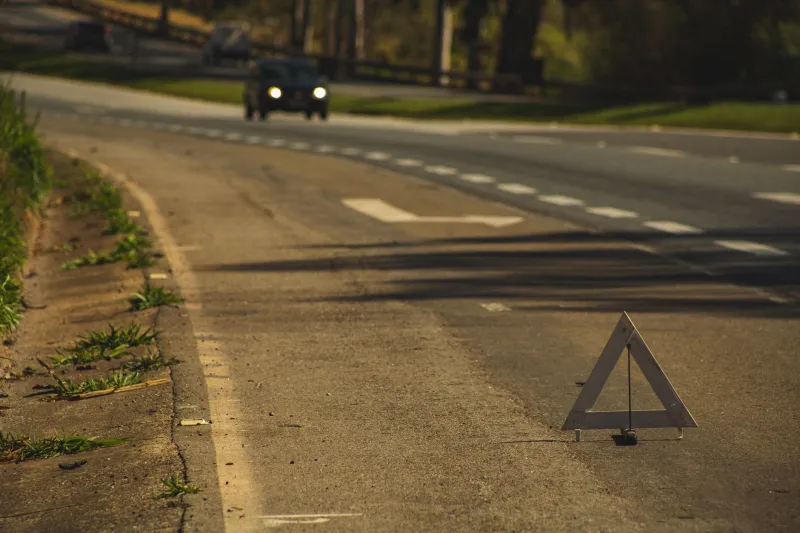
The good news is that getting properly equipped isn't complicated or expensive. A wind-resistant, durable lighter. A set of quality jumper cables or a compact jump starter. Road flares or LED safety triangles. A multi-tool. A basic first aid kit. These aren't dramatic purchases — they're quiet ones. The kind you make, tuck into your vehicle, and hopefully never think about again.
Until the day you do. And on that day, you'll be very glad you made them.
The road doesn't give warnings. But it does reward the prepared. Gear up accordingly — and keep that lighter somewhere you can actually reach it.