Cabin Philosophy: What the Humble Car Lighter Reveals About How Automakers Think About You
There's a small, cylindrical object that spent the better part of the twentieth century sitting dead-center in the American driving experience — and most people never gave it a second thought. The car lighter. Whether it was a push-in coil unit glowing orange on a cold November morning or a sleek chrome accessory socket nestled into a luxury console, that little fixture was never really just about fire. It was a design statement. A values statement, even.
At WindBlaze Lighter, we spend a lot of time thinking about flame, function, and the culture surrounding both. So when we started digging into the history of how automakers have positioned, styled, and ultimately phased out the in-car lighter, we found something surprisingly rich — a window into decades of ergonomic philosophy, brand identity, and the evolving relationship between drivers and their machines.
It Started With Placement — and Placement Is Everything
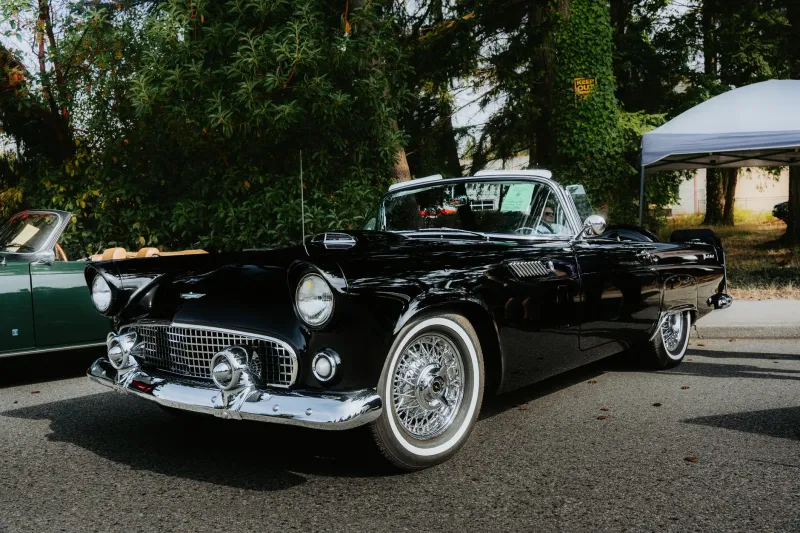
Back in the postwar era, when American car culture was hitting its stride, dashboard real estate was prime territory. Automakers were essentially building rolling living rooms — think the sweeping chrome interiors of a '57 Chevy Bel Air or the padded dashboard of a late-'60s Ford Galaxie. The lighter sat front and center, often flanked by the radio and the ashtray, because smoking was as much a part of the driving ritual as turning the key.
That placement wasn't accidental. Ergonomics researchers — even in their early, pre-digital form — understood that the driver's right hand needed quick, intuitive access to comfort items. The lighter was positioned within a natural arm's reach, low enough to avoid blocking sightlines, high enough to avoid awkward bending. It was human-centered design before the term existed in any formal sense.
What's fascinating is how that placement shifted across different brand identities. Cadillac and Lincoln treated the lighter as part of a curated luxury experience — the surround materials, the finish, even the tactile resistance of the push mechanism all communicated premium. Meanwhile, economy brands like early Dodge and Plymouth models kept the unit functional and no-frills, essentially saying: this is a tool, not a status symbol.
Even that distinction tells you something. The lighter was a mirror of the brand's broader relationship with its buyer.
The Console Migration and the Rise of the Power Accessory
By the 1980s and into the '90s, something interesting started happening. As bench seats gave way to bucket seats and center consoles became standard, the lighter migrated south — out of the dash and into the console armrest zone. This wasn't just a packaging decision. It reflected a shift in how drivers were being conceptualized by designers.
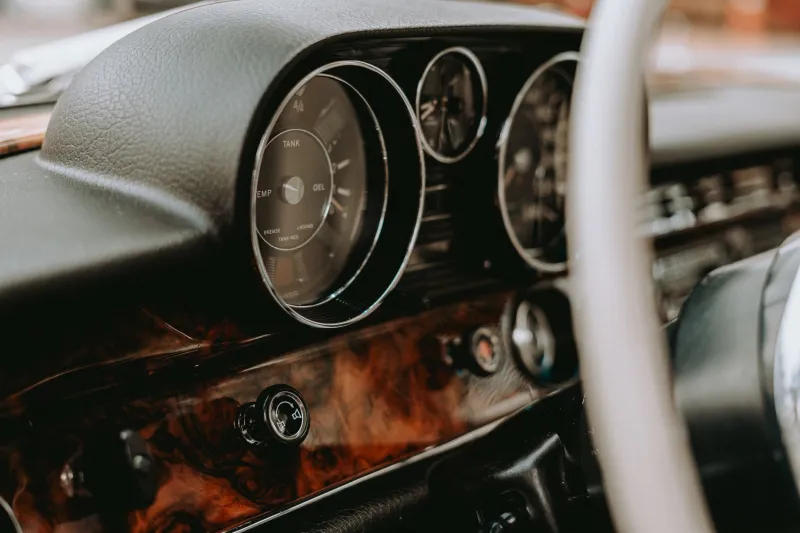
The driver was no longer a passive occupant of a rolling lounge. They were an active operator, hands on a smaller steering wheel, eyes on a more information-dense instrument cluster. Comfort accessories moved to a secondary tier. The lighter became less ceremonial and more utilitarian.
Around this same time, the term "cigarette lighter" quietly began its transformation into "accessory power outlet." Automakers started marketing the 12V socket as a charging and powering station for portable electronics — early car phones, radar detectors, portable coolers. The coil heating element was often sold as a separate accessory, not included by default. The socket stayed. The flame became optional.
That's a pivotal moment in automotive interior philosophy. The function of fire was decoupled from the infrastructure that once delivered it.
What Luxury Brands Got Right (And What They Were Really Saying)
Through the '90s and into the 2000s, premium automakers took a notably different approach to the lighter and its surrounding context. BMW, Mercedes-Benz, and Lexus all treated interior touchpoints — including power ports and lighter assemblies — as opportunities to reinforce tactile quality. The click of a BMW lighter socket, the precision of a Mercedes ashtray drawer, the illuminated ring around a Lexus accessory port: these weren't engineering necessities. They were brand language.
The message was clear: every surface you touch in this vehicle has been considered. That philosophy extended to where accessories were placed, how many were provided, and whether they were lit at night. It was ergonomic storytelling — the idea that a well-designed cabin communicates respect for the person sitting inside it.
For American brands trying to reclaim ground during this era, these details mattered enormously. Cadillac's early 2000s renaissance under the "Art & Science" design language paid close attention to exactly these kinds of details. The interior wasn't just a place to sit — it was an environment to inhabit.
The EV Interior and the Disappearing Flame
Fast-forward to today, and the picture has changed dramatically. Walk into a Tesla Model 3, a Rivian R1T, or a Chevy Equinox EV, and you'll notice something conspicuously absent: any meaningful nod to the lighter's legacy. The 12V outlet might still be there, tucked somewhere practical, but the design language around it is purely functional. There's no ceremony. No considered placement within a broader comfort ecosystem.
In many EVs, the entire center console philosophy has been reimagrated around the smartphone. Wireless charging pads, USB-C ports, and massive touchscreens dominate. The cabin is now designed around connectivity and screen interaction rather than tactile, hands-on comfort rituals.
What does that tell us about how automakers see today's driver? It suggests a fundamental shift in what "comfort" means behind the wheel. The modern driver, in the industry's view, is tethered to a device — always connected, always streaming, always navigating via app. The rituals of the analog cabin — the lighter, the physical radio knob, the ashtray drawer — have been replaced by swipe gestures and voice commands.
There's no judgment in that observation. But there is a cultural loss worth acknowledging.
The Lighter as a Cultural Artifact
Here at WindBlaze, we've always believed that a quality lighter carried in a well-loved vehicle is part of something bigger than convenience. It's a connection to a longer tradition of road culture — one where the details of how you equipped your car said something real about who you were and how you drove.
The evolution of the in-car lighter from a designed centerpiece to an afterthought to a disappearing feature isn't just a product story. It's a cultural timeline. It tracks the shift from driver-as-individual to driver-as-user, from cabin-as-sanctuary to cabin-as-interface.
The next time you reach for your lighter — whether it's clipped to your visor, sitting in your cupholder, or tucked in the center console of a truck that still smells like road trips and good decisions — remember that you're holding a small piece of American automotive history. The automakers may have moved on. But the road hasn't changed that much.
And neither has the need for a reliable flame.