Coast to Canyon: How the American Road Tests Every Lighter You Own
There's a moment most long-haul drivers know well. You're somewhere between Albuquerque and Flagstaff, the desert wind is ripping through your cracked window at 70 mph, and your trusty lighter — the one that's been riding shotgun for two years — just refuses to spark. It's not broken. It's beaten. The road beat it.
If you're serious about your lighter collection, understanding what different driving environments actually do to your gear is more than a nerdy exercise. It's practical knowledge that saves you from being stranded without a flame when you need one most.
Salt Air and the Coastal Curse
Drive the Pacific Coast Highway for a week, or spend any real time on Florida's A1A, and you'll start to notice something: metal corrodes faster than you'd expect. Coastal salt air is relentless on exposed metal components, and most budget lighters use materials that simply aren't rated for that kind of exposure.
The problem isn't just surface rust. Salt infiltrates the tiny mechanical gaps inside flint wheels, corrodes the metal inserts on butane valves, and slowly degrades the precision tolerances that make a lighter work reliably. A cheap gas station lighter might look fine after a week on the coast, but try sparking it after a month of beach parking and you'll understand the difference.
Premium lighters with solid brass construction or chrome-plated zinc alloy bodies hold up considerably better in coastal environments. The key is a tight seal around the fuel chamber and a flint mechanism that doesn't leave bare steel exposed to the air. If you're planning a run up the Atlantic Seaboard or doing any extended Pacific Coast driving, your lighter loadout should account for this. Keep your everyday carry piece in a closed glovebox or hard case rather than a cup holder where it's constantly cycling through salt-air exposure.
Desert Heat: When Your Fuel Becomes the Problem
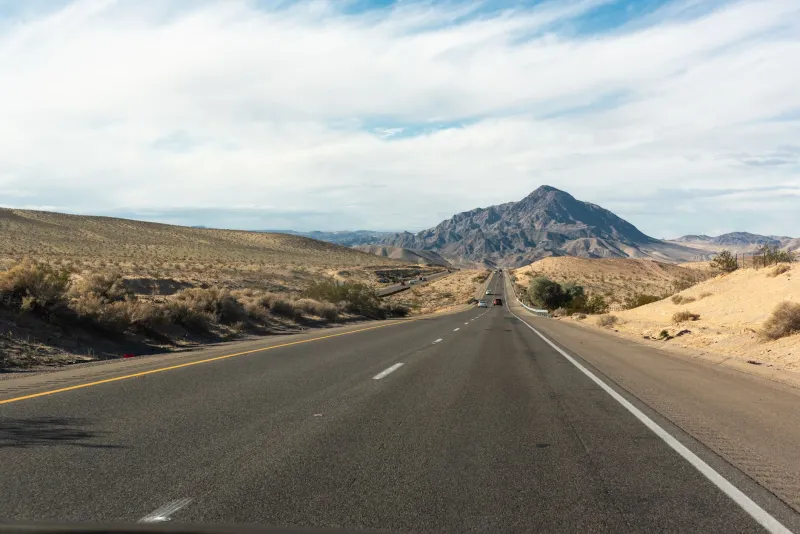
The desert Southwest is a different kind of punishment. Out on I-10 between El Paso and Tucson in July, dashboard temperatures can hit 160°F or higher. That's not just uncomfortable — it's a real threat to butane-fueled lighters.
Butane has a relatively low boiling point, around 31°F. In extreme heat, butane stored in a lighter under direct sunlight can expand aggressively, stressing seals and sometimes causing slow leaks that drain your fuel supply without you ever noticing. Budget lighters with thin plastic tanks are especially vulnerable. You'll go to spark up and find the tank dry, even though you filled it two days ago.
The fix is simple but often overlooked: never leave a butane lighter in direct sunlight on a hot dashboard. Store it in the center console or glovebox. If you're a collector with nicer pieces, this habit matters even more. High-end lighters have better seal quality, but no butane lighter is immune to the physics of extreme heat.
For desert driving specifically, some enthusiasts keep a second windproof torch lighter — the kind designed for cigars — as a backup. The jet-flame design handles wind and heat differently than a standard soft flame, and the sturdier construction tends to be more heat-tolerant overall.
Mountain Wind: The Real Windblaze Test
If you want to know what your lighter is actually made of, drive through the passes of the Colorado Rockies or the Wyoming high plains in October. The wind up there doesn't gust — it commits. And it will absolutely extinguish a soft-flame lighter before the spark even has a chance to catch.
This is where windproof lighter design earns its reputation. Lighters with a double-coil heating element or a jet-flame burner recessed inside a wind guard are engineered specifically for high-altitude, high-wind environments. The physics are straightforward: a soft flame is essentially an open combustion zone that relies on calm air. A jet flame burns at higher pressure, creating a self-sustaining combustion that wind can't easily interrupt.
For mountain driving, the recommendation from serious enthusiasts is consistent — carry at least one lighter that's genuinely windproof by design, not just marketed as wind-resistant. There's a difference. True windproof lighters will maintain a flame at 40 mph crosswinds. Wind-resistant ones might handle a gentle breeze. Know which one you're carrying before you're standing at a trailhead at 11,000 feet.
The Humid Southeast: Moisture, Mold, and Mechanical Drag
Drive the Gulf Coast or spend time on the backroads of Louisiana, Mississippi, or coastal Georgia, and you're dealing with a different kind of climate stress. Humidity in the Southeast regularly sits above 80%, and in summer months it can feel like you're driving through warm soup.
Moisture is sneaky when it comes to lighters. It doesn't cause the dramatic failures that desert heat or mountain wind do — it causes slow, creeping degradation. Flint wheels develop a gummy resistance. Hinges on flip-top lighters start to stiffen. Fuel ports collect microscopic moisture that interferes with clean ignition. Budget lighters with looser tolerances tend to absorb more ambient moisture, and over time they develop that characteristic sluggish, unreliable spark that makes you work for every flame.
Premium lighters with tighter machined tolerances simply give moisture fewer places to settle. Keeping your lighters in a sealed pouch or case when not in use is an easy habit that extends lifespan considerably in humid climates. Some collectors who do regular Southern routes also rotate their pieces more frequently during summer months, treating high-humidity exposure as an accelerated wear cycle.
What the Road Actually Tells You About Your Collection
Here's the honest takeaway: the American road is one of the most varied durability tests on earth for any piece of carry gear. Within a single cross-country trip, your lighter might face coastal salt air in California, desert heat in Arizona, mountain wind in Colorado, and humid warmth in Tennessee — all within a week.
Budget lighters can survive any one of these environments for a short stretch. They struggle when you're asking them to perform across multiple climate zones over extended miles. Premium construction — tighter seals, better materials, thoughtful wind protection — isn't just about aesthetics or brand prestige. It's about reliability when the conditions get genuinely difficult.
The drivers who've put real miles on their collections will tell you the same thing: you find out what your gear is worth not in the driveway, but somewhere between mile 800 and mile 1,200, when the weather's turned and you just need a flame that works.