More Than a Flame: Why Every Driver Needs a Quality Lighter in Their Emergency Kit
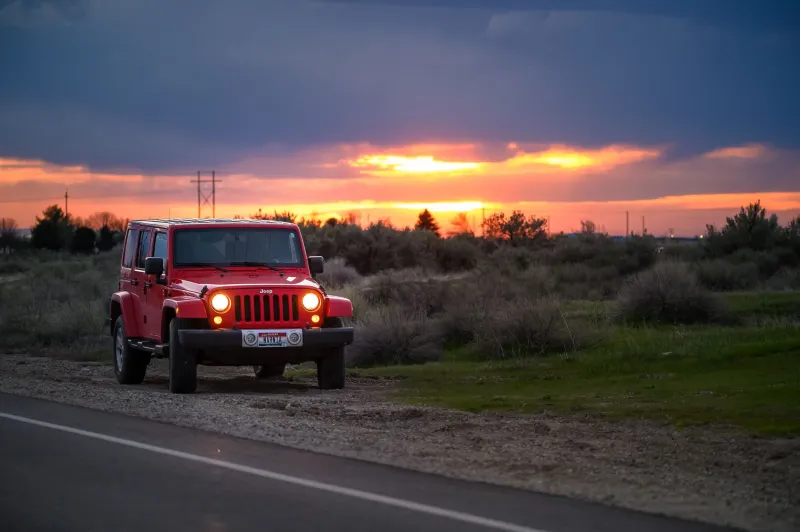
Picture this: You're three hours outside of Flagstaff on a stretch of Route 66 that sees maybe a dozen cars a day. Your phone's at 4%, a tire's blown, and the temperature is dropping faster than you expected. You've got a spare in the trunk, but your hands are so cold you can barely grip a lug nut. What's the one thing that could turn that situation around in about 90 seconds?
A lighter.
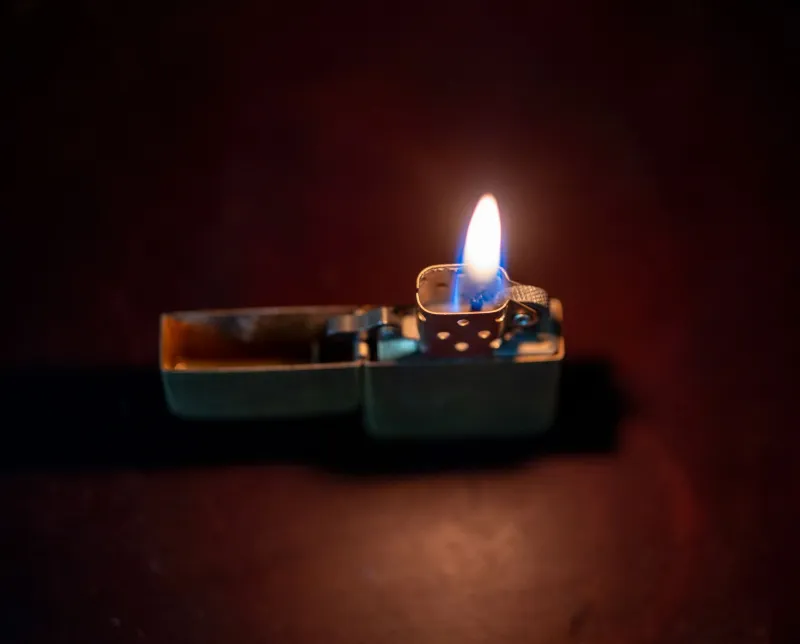
Not the gas station throwaway you grabbed with your last tank fill-up. We're talking about a solid, windproof, dependable lighter that was built for exactly this kind of moment. The kind of tool that professional long-haul truckers, overlanders, and seasoned road-trippers have quietly relied on for decades—not because they smoke, but because they understand something most casual drivers don't: a quality lighter is one of the most versatile emergency tools you can keep in a vehicle.
The Emergency Kit Gap Nobody Talks About
Ask most American drivers what's in their emergency kit and you'll get a pretty predictable list: jumper cables, a flashlight, maybe a reflective triangle or two, a first-aid kit if they're responsible. Lighters almost never make the cut—and that's a genuine oversight.
Emergency preparedness experts and survival instructors consistently rank fire-starting capability among the top priorities in any survival scenario. Yet the average driver's roadside kit is completely silent on the subject. A compact, high-quality lighter fixes that gap immediately, and it takes up less space than a granola bar.
The thing is, fire isn't just warmth. It's signaling, it's light, it's the ability to purify water if things go sideways on a long backcountry drive. Having reliable ignition on your person means having options—and options are everything when you're stuck somewhere you didn't plan to be.
Warmth When the Weather Turns
The American road system is massive, and plenty of it runs through terrain that can get genuinely dangerous in the wrong conditions. Mountain passes in Colorado, desert nights in Nevada, rural stretches across the Upper Midwest in November—these aren't exotic adventure scenarios. They're regular drives that can turn dicey without much warning.
If you've ever been stranded in cold weather waiting for a tow truck, you already know how fast a car interior loses heat once the engine's off. A lighter lets you safely start a small fire outside the vehicle to stay warm, heat up food or water, or even help thaw a frozen lock. In genuinely dire situations, that warmth isn't a comfort—it's a lifeline.
Windproof lighters are especially worth mentioning here. A standard disposable can be rendered useless the second a gust hits. A quality windproof model—the kind built with a serious flame mechanism—keeps working when conditions are rough. That's not a luxury feature. That's the whole point.
Signaling for Help
This one surprises people, but it's been a legitimate survival technique for as long as lighters have existed. Fire produces light and smoke, both of which are visible from a significant distance. If you're stranded in a low-visibility situation—dense fog on a mountain road, a breakdown in a remote area after dark—a lighter gives you the ability to signal passing vehicles or aircraft in ways that a dead phone simply cannot.
Even in more urban breakdown scenarios, a lighter can help you safely illuminate what you're doing under the hood or beneath the dash without draining your phone battery. Small thing, but when you're already stressed and your flashlight is buried somewhere in the back seat, having immediate ignition in your pocket matters.
Field Repairs You Didn't Know Fire Could Help With
Here's where it gets genuinely interesting. Experienced overlanders and road-trippers have figured out a whole category of on-the-fly repairs that a lighter makes possible.
Frayed rope or paracord? Run a lighter along the end to melt and seal it—prevents further unraveling and keeps your gear secured. Need to improvise a seal on a cracked hose or patch a torn tarp? Heat application can help in ways that tape alone can't. Stripped wire insulation that needs to be carefully removed? A controlled flame does the job cleanly. None of these are MacGyver fantasies. They're real techniques used by people who spend serious time on the road and in the backcountry.
The key phrase there is controlled flame. This is why lighter quality matters so much in these applications. A lighter with an unpredictable or oversized flame is a liability. One with a consistent, adjustable output gives you actual precision—and that's the difference between a useful tool and a hazard.
What the Professionals Already Know
Long-haul truckers have carried quality lighters as standard equipment for generations—and a significant portion of them don't smoke. Talk to anyone who regularly runs cross-country routes and they'll tell you the lighter is just part of the kit, the same way a multi-tool or a good knife is part of the kit. It's not about any single use case. It's about having a reliable, compact tool that covers multiple scenarios at once.
Overland and off-road communities have arrived at the same conclusion independently. Browse any serious overlanding forum and you'll find detailed threads about fire-starting gear, with quality lighters featuring prominently alongside ferro rods and waterproof matches. The consensus is consistent: redundancy in fire-starting capability is non-negotiable when you're going somewhere remote.
Choosing the Right Lighter for the Road
Not all lighters are created equal, and the differences matter more in an emergency than they do on a calm afternoon in your driveway.
For vehicle emergency kits, you want a few specific qualities. Windproof performance is at the top of the list—if it won't light in a stiff breeze, it's not doing its job when you need it most. Durability matters too; a lighter that cracks or leaks after rattling around in a glove compartment for six months isn't reliable gear. And fuel capacity is worth considering—a larger reservoir means fewer refills and more confidence on longer trips.
A quality butane lighter with a strong ignition mechanism and a windproof design checks all these boxes. So does a well-made torch-style lighter with an adjustable flame. The specific style is less important than the build quality. Buy something you'd trust, not just something you'd grab.
The Takeaway
Your emergency kit probably has a lot of thoughtful gear in it. But if it doesn't have a reliable lighter, it has a gap worth closing. The scenarios where a quality flame source becomes genuinely critical aren't as rare as you'd like to think—and when they happen, you'll be very glad you planned ahead.
Keep one in the glove box. Keep one in your kit bag. Treat it like the multi-tool it actually is. Because out on the open road, the ability to produce a reliable flame isn't just a convenience—it's a quiet kind of confidence that every serious driver deserves to carry.